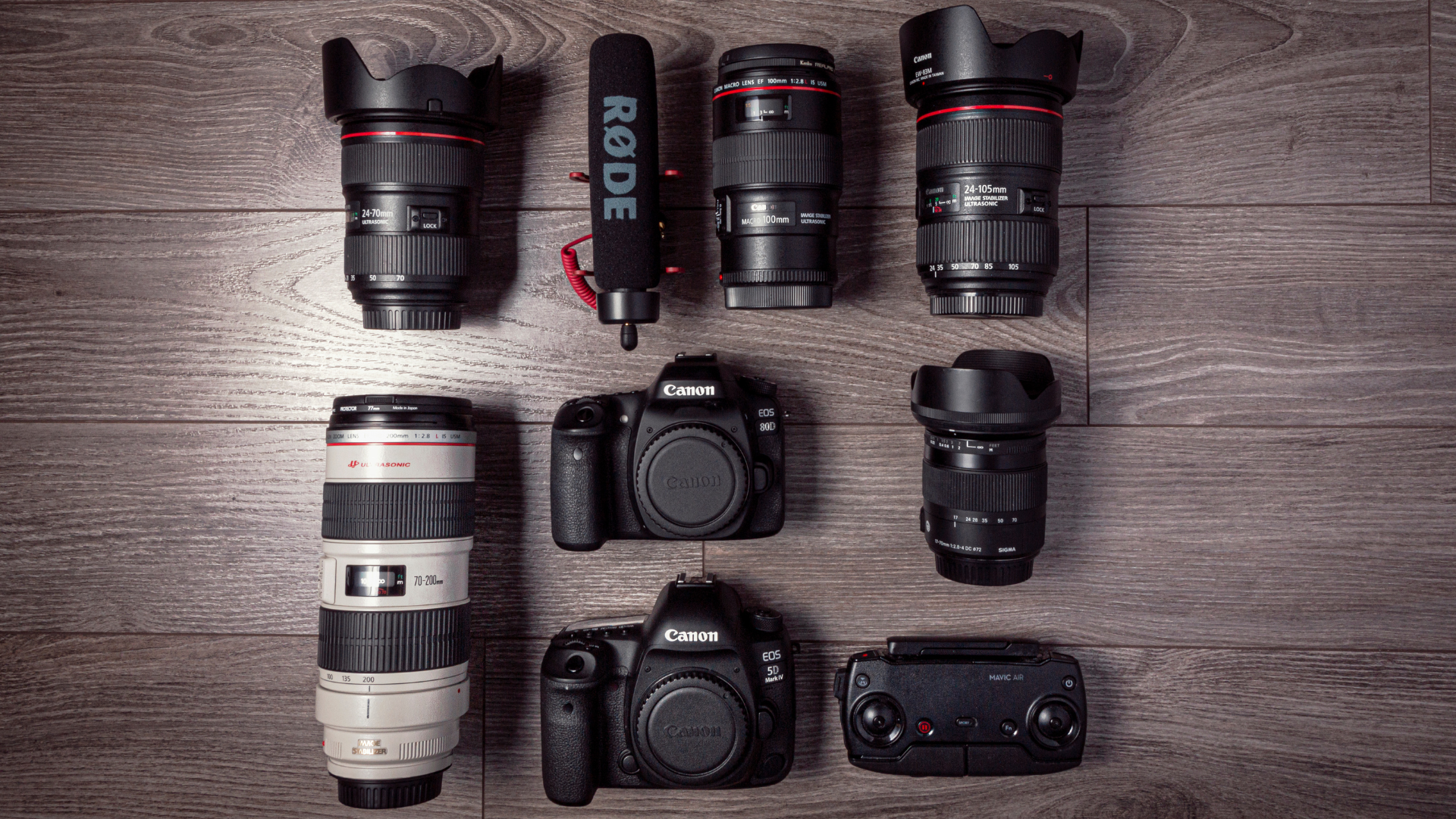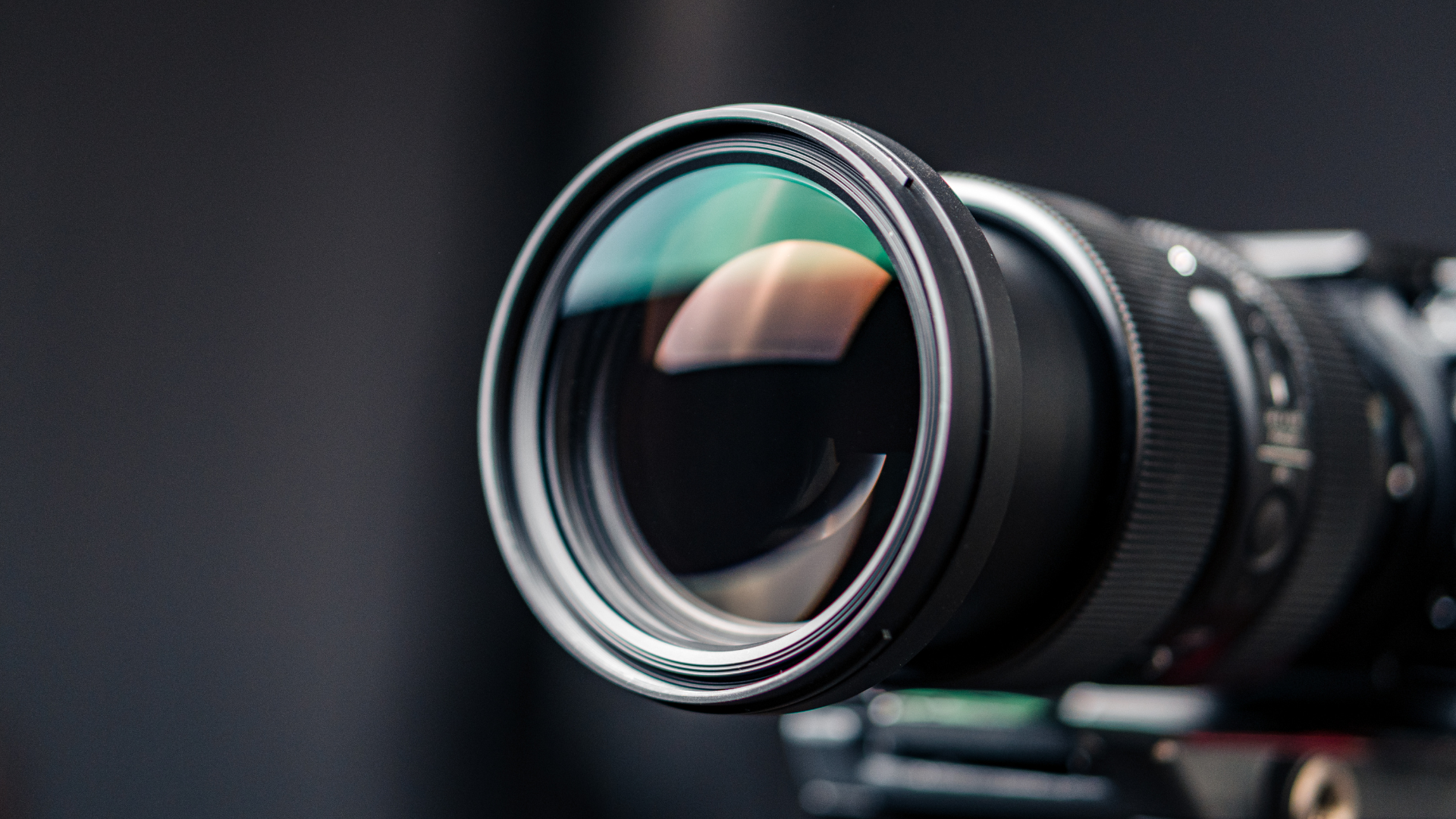
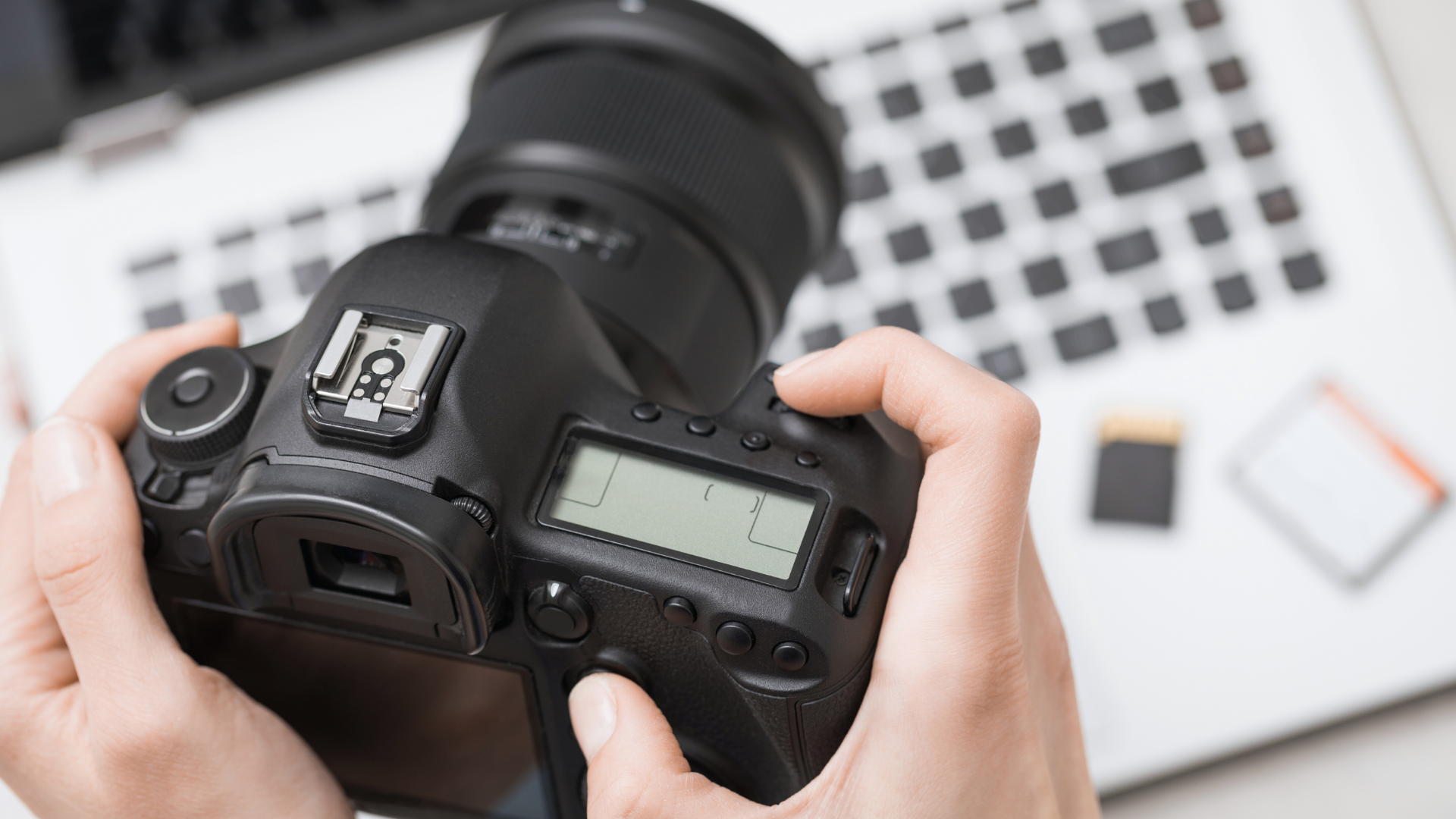
Advancements in camera technology have increasingly intertwined with computer algorithms, creating innovative features that enhance photography. These algorithms are responsible for improvements in various aspects, including image processing, autofocus systems, and noise reduction techniques. By integrating sophisticated algorithms, modern camera designs have significantly improved image quality and user experience.
The ability of algorithms to analyze and interpret scenes in real-time allows cameras to make intelligent adjustments automatically. Features like face detection, scene recognition, and even predictive autofocus are all driven by algorithmic processing, enabling users to capture sharper images with less effort. As algorithms evolve, they continue to redefine what is possible in photography.
As the demand for high-performance cameras grows, the role of computer algorithms becomes even more critical. Innovative designs now feature advanced software that adapts to different shooting conditions and styles, allowing both professionals and amateurs to produce stunning images. The synergy of technology and creativity in modern camera designs showcases the transformative power of algorithms in the photography landscape.
Fundamentals Of Computer Algorithms In Modern Camera Designs
Computer algorithms play a crucial role in shaping the functionalities and efficiencies of modern camera designs. Key areas include the evolution of computer vision algorithms, the integration of machine learning and artificial intelligence, and their role alongside image sensors and signal processing.
Evolution Of Computer Vision Algorithms
Computer vision algorithms have significantly evolved from simple edge detection techniques to complex frameworks like Convolutional Neural Networks (CNNs). Early algorithms focused on basic tasks such as detecting shapes and edges, which laid the groundwork for more sophisticated applications.
Today’s systems leverage CNNs to enable advanced functionalities such as facial recognition, object detection, and scene understanding. With robust training datasets, these algorithms can adapt to varied environments, enhancing image quality in diverse lighting and motion conditions. The evolution reflects a continuous pursuit of improved accuracy and efficiency in image processing.
Role Of Machine Learning And Artificial Intelligence
Machine learning and artificial intelligence are integral to contemporary camera designs, enhancing image processing capabilities. They allow cameras to learn from the vast amounts of data they acquire, improving their performance over time.
This technology facilitates various features, such as automatic scene detection and optimized exposure settings. By analyzing real-time data, algorithms can predict ideal camera settings, recommending adjustments to enhance the final image. The synergy between AI and image processing leads to significant advancements in camera technology.
Integration With Image Sensors And Signal Processing
The integration of computer vision algorithms with image sensors and signal processing systems is essential for achieving high-quality image capture. Image sensors convert light into electrical signals, while signal processing algorithms refine these signals for clarity and detail.
Advanced algorithms preprocess images to reduce noise and enhance contrast, ensuring vibrant and accurate representations. Moreover, the collaborative process between sensors and algorithms enables real-time adjustments during shooting, such as HDR imaging and low-light performance enhancement. This integration streamlines workflow and elevates the camera’s ability to deliver superior results.
Enhancing Image Quality And Functionality
Advancements in computer algorithms have significantly transformed image quality and functionality in modern camera designs. The techniques discussed here emphasize noise reduction, dynamic range improvements, miniaturization, and the integration of special effects.
Noise Reduction And Tone Mapping Techniques
Noise reduction is essential for producing high-quality images, particularly in low-light conditions. Modern algorithms apply various techniques such as spatial noise reduction and temporal noise reduction, both aimed at generating clearer images. These methods analyze pixel information to differentiate between noise and actual image data.
Tone mapping further enhances image quality by adjusting brightness levels across the dynamic range. This process is crucial for High Dynamic Range (HDR) imaging, where details in both shadows and highlights are preserved. Sophisticated tone mapping algorithms can create realistic images even under challenging lighting, making every shot more visually appealing.
Wide And High Dynamic Range Solutions
Wide dynamic range solutions expand the breadth between the darkest and brightest parts of an image. This capability is vital for capturing intricate details that would otherwise be lost in traditional photography.
High Dynamic Range imaging utilizes multiple exposures combined to form a single image with expansive tonal quality. Algorithms analyze and merge these different exposures, ensuring enhanced detail in both brightly lit and shadowy areas. This technique results in richer colors and improved depth, allowing photographers greater creative flexibility.
Miniaturization And Frame Rate Improvements
Miniaturization has revolutionized camera design, allowing for compact devices without sacrificing quality. Smaller sensors and components contribute to lightweight designs, which is especially important for handheld devices like smartphones and drones.
Frame rate improvements keep pace with the rapid advancements in video technology. Faster sensors enable higher frame rates, improving motion capture in action scenes. Advanced algorithms optimize this process by minimizing motion blur, leading to clearer video footage and greater detail in fast-moving subjects.
Special Effects And Generative Art
Special effects have become more accessible due to the integration of algorithms within cameras. Features such as bokeh simulation and real-time filters allow photographers to add artistic touches with ease.
Generative adversarial networks (GANs) are being utilized to create unique visual art. These algorithms can generate stunning images or modify existing ones, blending reality with artistry. As a result, cameras equipped with such technology enable not only documentation but also creative expression, pushing the boundaries of traditional photography.
Intelligent Applications And Advanced Capabilities
Modern camera designs benefit significantly from intelligent applications and advanced capabilities. These technologies enhance functionality through improved detection, recognition, and vision systems, critical for various industries.
Object Detection And Recognition Systems
Object detection and recognition are vital components in modern imaging systems. They enable cameras to identify and categorize objects within images or video feeds. This process typically utilizes machine learning algorithms trained on extensive datasets.
Several applications include security surveillance and inventory management. In these cases, cameras equipped with detection capabilities can track movements, send alerts, or automatically classify items. Such efficiency reduces human input and minimizes errors in basic tasks.
Some common algorithms utilized for this purpose include YOLO (You Only Look Once) and SSD (Single Shot MultiBox Detector). These algorithms provide real-time detection with impressive accuracy.
Face Recognition And License Plate Recognition
Face recognition technology has transformed security and access control. Cameras integrated with sophisticated face recognition algorithms can authenticate individuals in seconds, enhancing security protocols.
This technology relies on deep learning techniques to analyze facial features. Algorithms compare live images against stored data to confirm identity. Applications extend to law enforcement and personalized services, providing significant benefits for businesses and public safety.
License plate recognition (LPR) is another critical application. Cameras equipped with LPR technology can automatically read vehicle plates, aiding in securing parking facilities and monitoring traffic violations. This system improves efficiency in law enforcement operations.
Computer Vision For Autonomous Vehicles
Autonomous vehicles heavily depend on advanced computer vision capabilities. Cameras serve as vital sensors for self-driving cars, allowing them to perceive their environment accurately.
Computer vision systems utilize data from multiple cameras to detect obstacles, lane markings, and traffic signs. Machine learning plays a crucial role in enabling vehicles to interpret complex situations. This level of awareness is essential for safe navigation on roads.
Integration of technologies such as LIDAR further enhances these systems. Together, they create a comprehensive understanding of surroundings, which is integral to developing fully autonomous driving solutions.
Machine Vision In Robotics And Drones
Machine vision is crucial for robotics and drone technology. This capability enables robots to “see” and interpret visual data, allowing for improved performance in various tasks.
In industrial applications, robots equipped with machine vision perform quality control through visual inspection. They detect defects in products and ensure adherence to specifications. This capability significantly enhances manufacturing efficiency.
For drones, machine vision allows for strategic navigation and obstacle avoidance during flight. Advanced image processing algorithms enable them to survey landscapes, conduct inspections, and gather data efficiently, serving multiple industries from agriculture to infrastructure monitoring.
Broader Impacts On Industry And Creativity
The integration of computer algorithms into camera design has transformed both industrial applications and creative fields. Algorithms enhance measurement accuracy, boost productivity, and enable new avenues of artistic expression, reshaping how visuals are captured and perceived.
Productivity And Measurement In Industrial Cameras
Algorithms significantly enhance the productivity of industrial cameras. By employing machine learning (ML), cameras can analyze imagery in real-time, enabling quicker decision-making processes.
For instance, thermal cameras utilize advanced algorithms to detect temperature variations with high precision. This capability is crucial in sectors like manufacturing and quality control, where precise measurement is vital.
Additionally, line scan cameras employ computational imaging techniques to capture high-resolution images of moving objects. This innovation allows for increased throughput in production lines. The synergy of algorithms and industrial cameras leads to improved reliability and enhanced measurement capabilities.
Flexibility, Reliability, And Consistency
The use of algorithms in camera systems contributes to greater flexibility, reliability, and consistency. Cameras equipped with sophisticated software can adapt to varying conditions, ensuring optimal performance across diverse environments.
Dynamic range adjustments and real-time ISO adjustments help maintain image quality in different lighting conditions. Moreover, continuous updates and improvements in algorithms ensure that cameras perform reliably over time.
This consistency is particularly important in applications that require documentation and archiving. With advanced OCR technologies, cameras can now convert visual data into text, enabling efficient data management and storage solutions.
Creativity And The Future Of Art In Camera Design
Computer algorithms are redefining creativity in art and design. By leveraging computational imaging, artists can create innovative visual experiences that mimic human perception more closely.
Smartphones, now equipped with advanced algorithms, enable users to produce stunning imagery with minimal effort. Features like portrait modes and night mode enhancements demonstrate the potential of algorithms to expand artistic capabilities.
As algorithms continue to evolve, they open new opportunities for artists to explore. The intersection of technology and creativity may lead to unique artistic expressions that were previously unimaginable, shaping the future of art in photography and beyond.